A culture of conservation on the Coromandel
Ko au te taiao, ko te taiao ko au
I am of nature, and nature is me
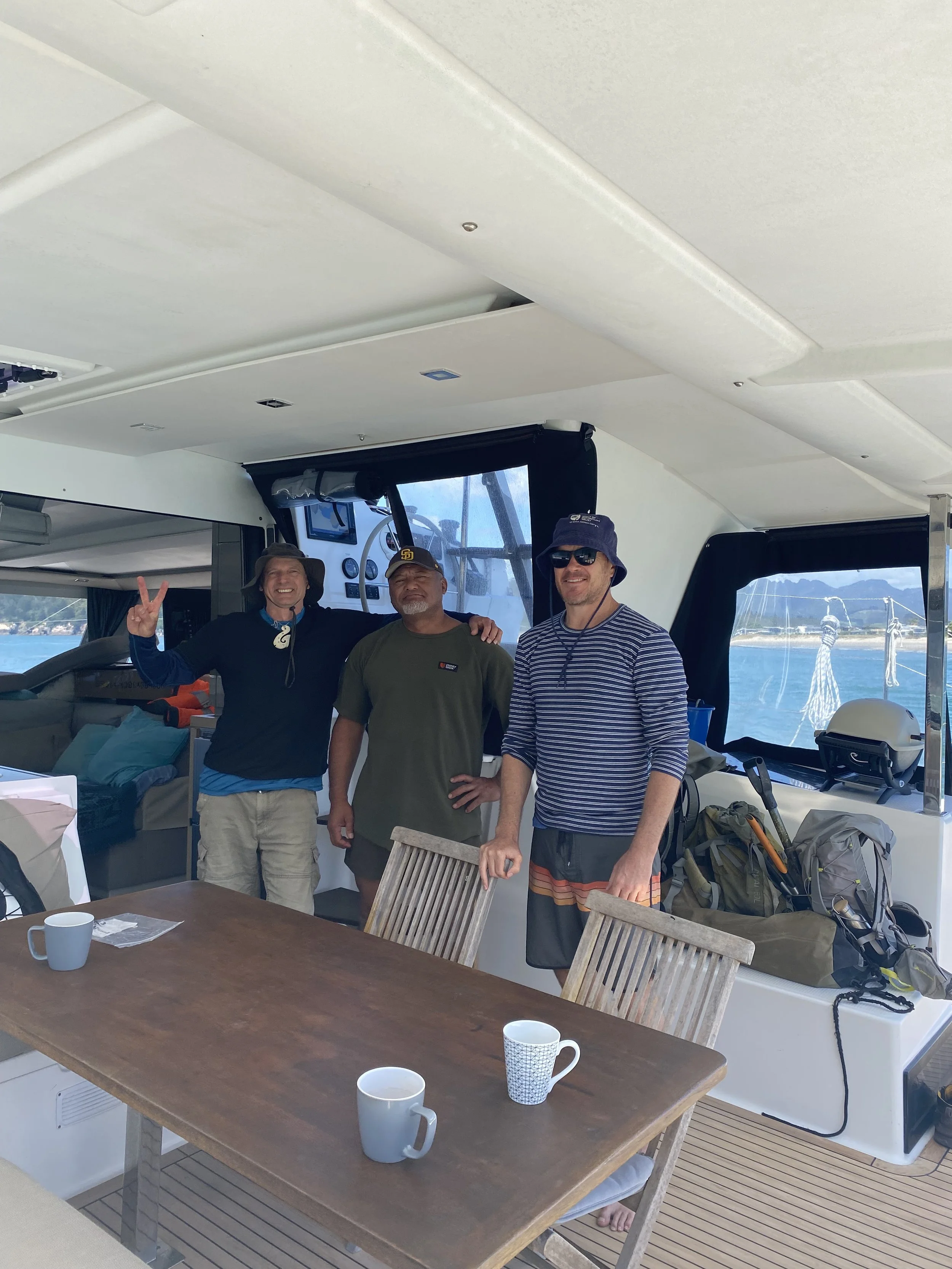
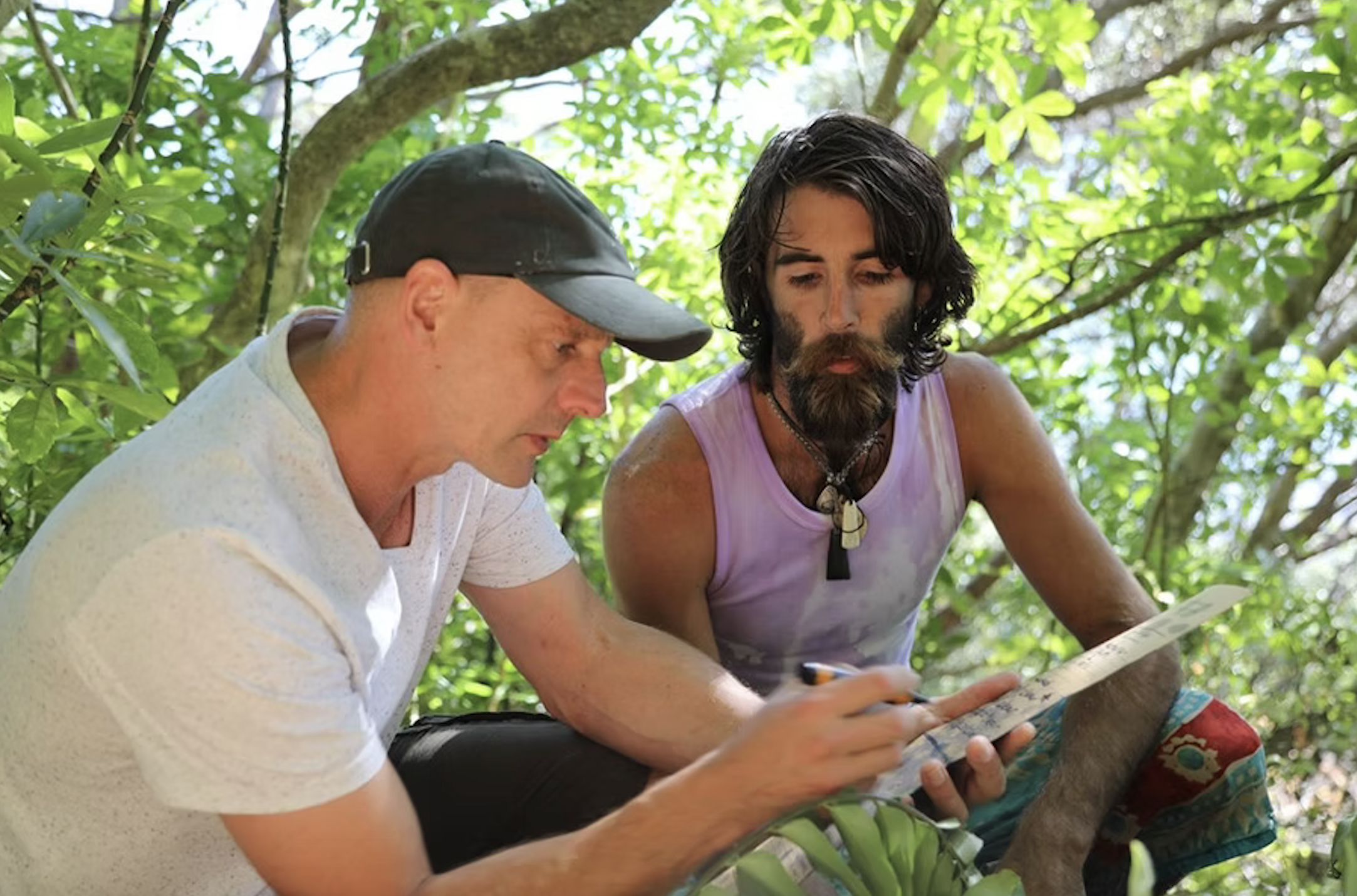
Tunaiti Kaitiaki Roopu are a local guardianship group who lead the conservation work on the islands of Whangamatā. They have engaged environmental experts and volunteers to support to remove invasive pests and plants, particularly on Hauturu.
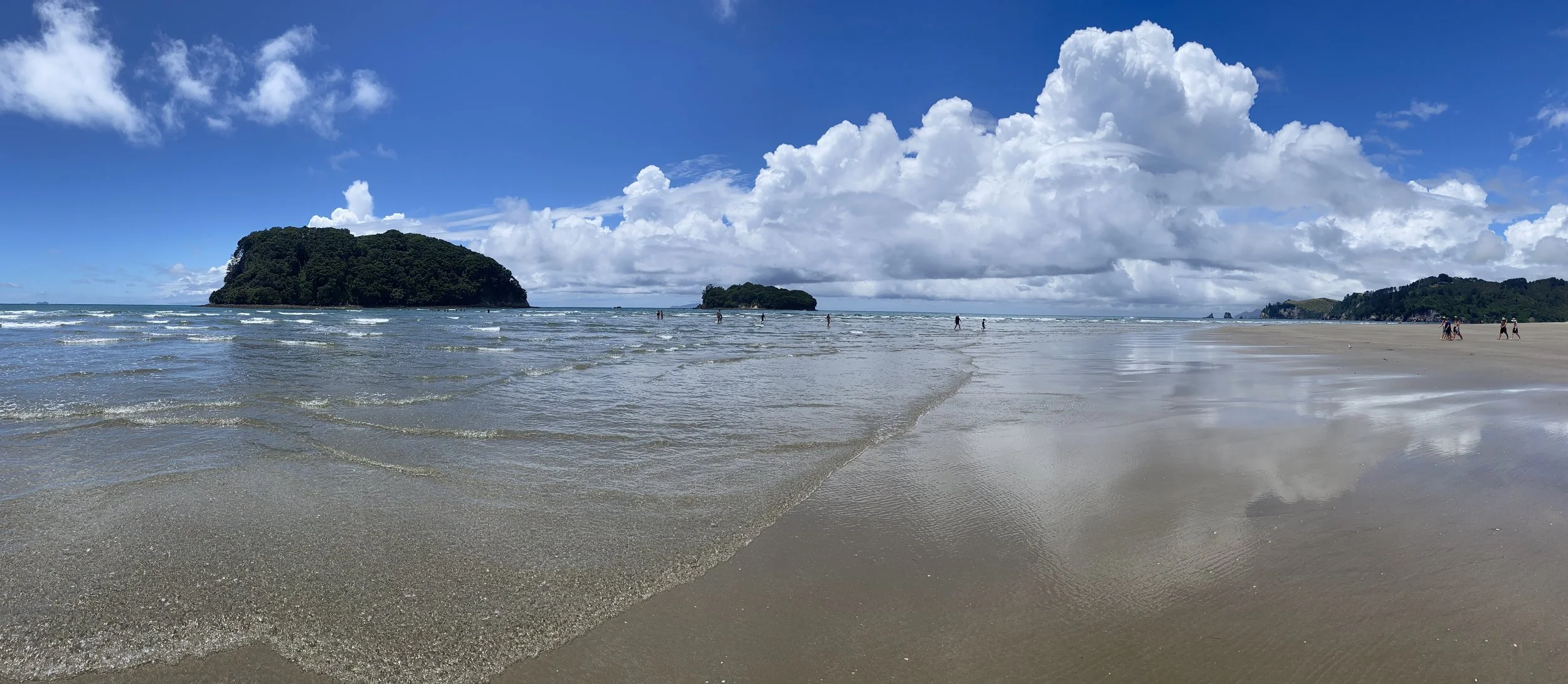
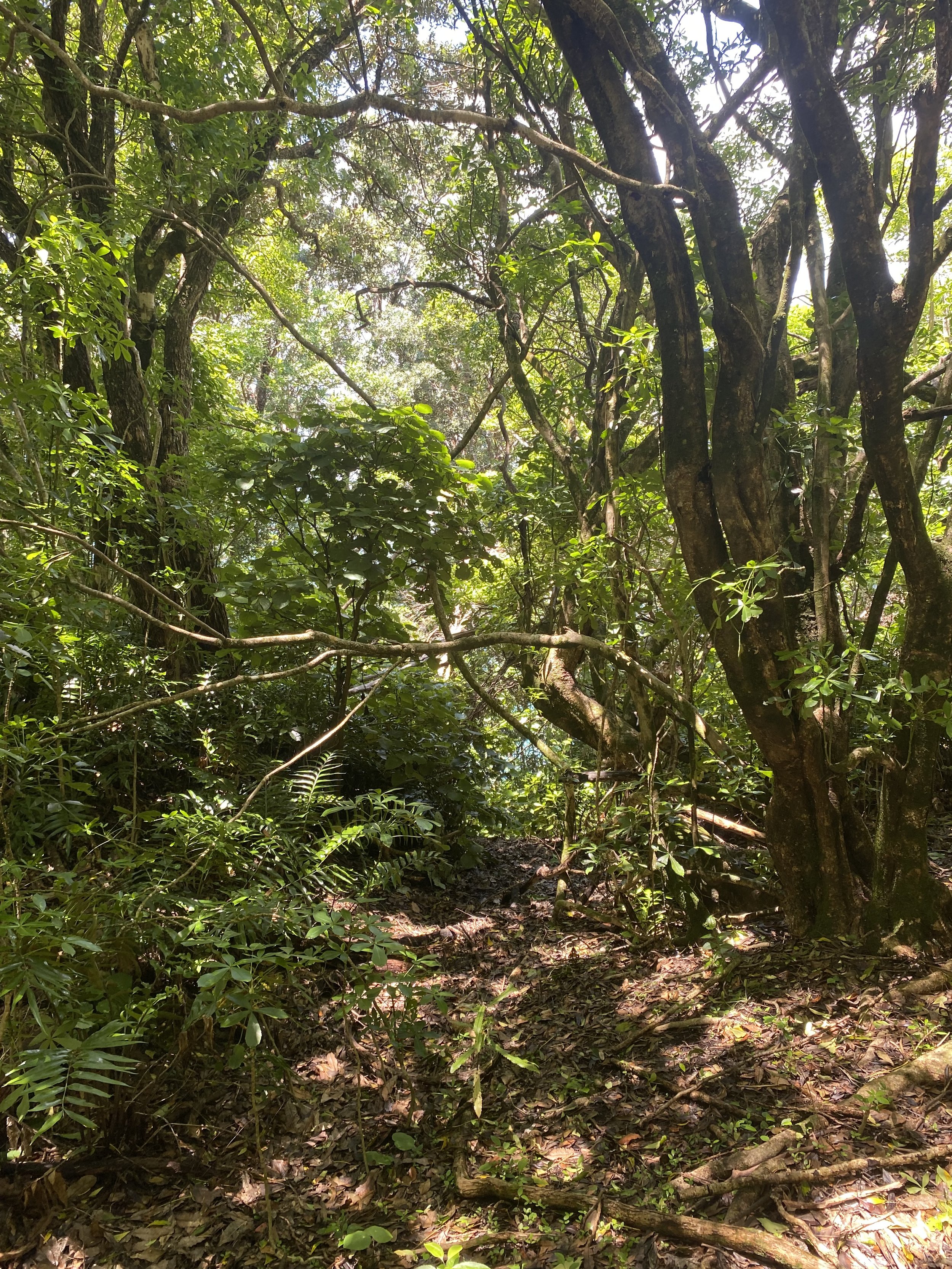
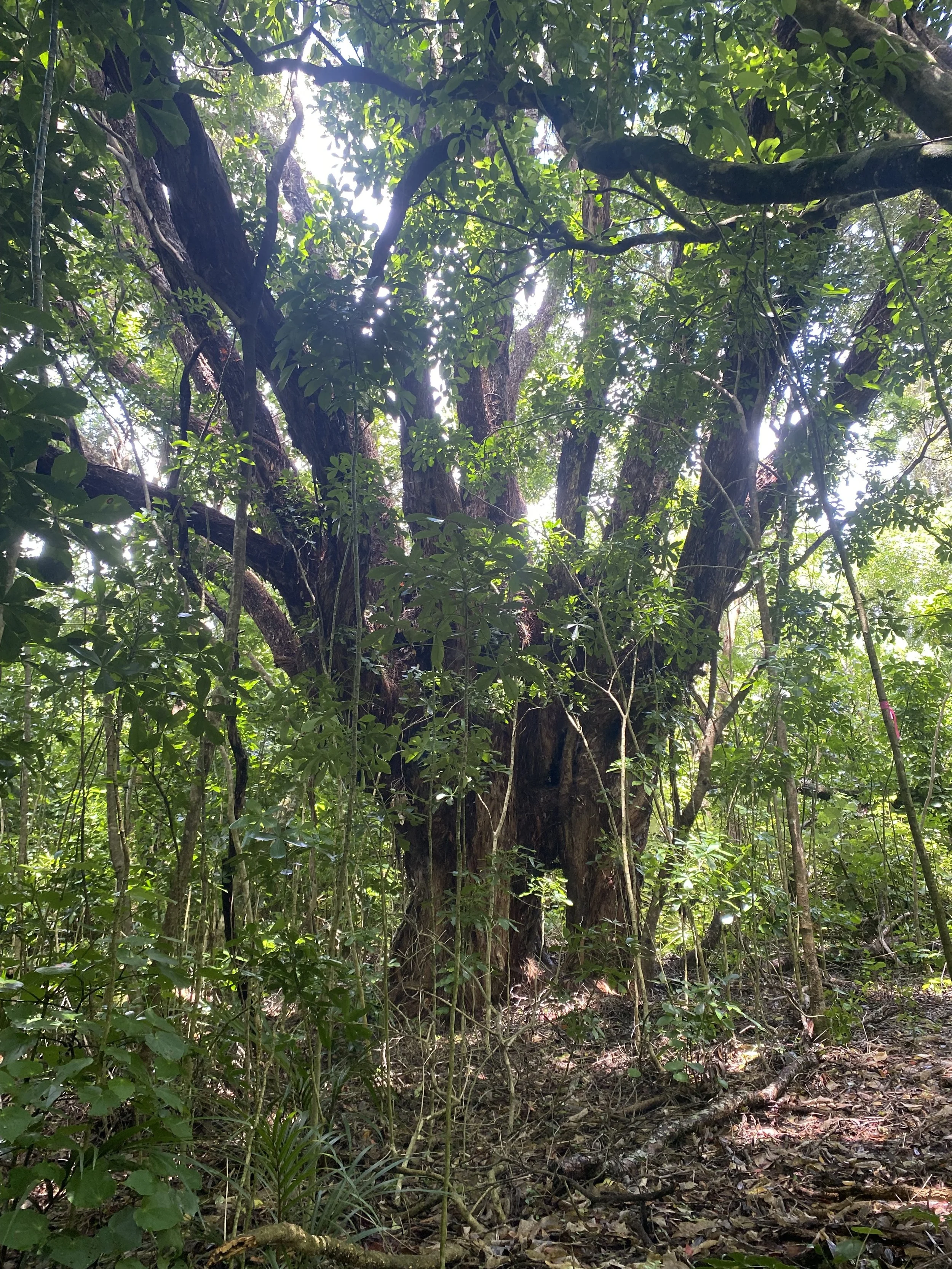
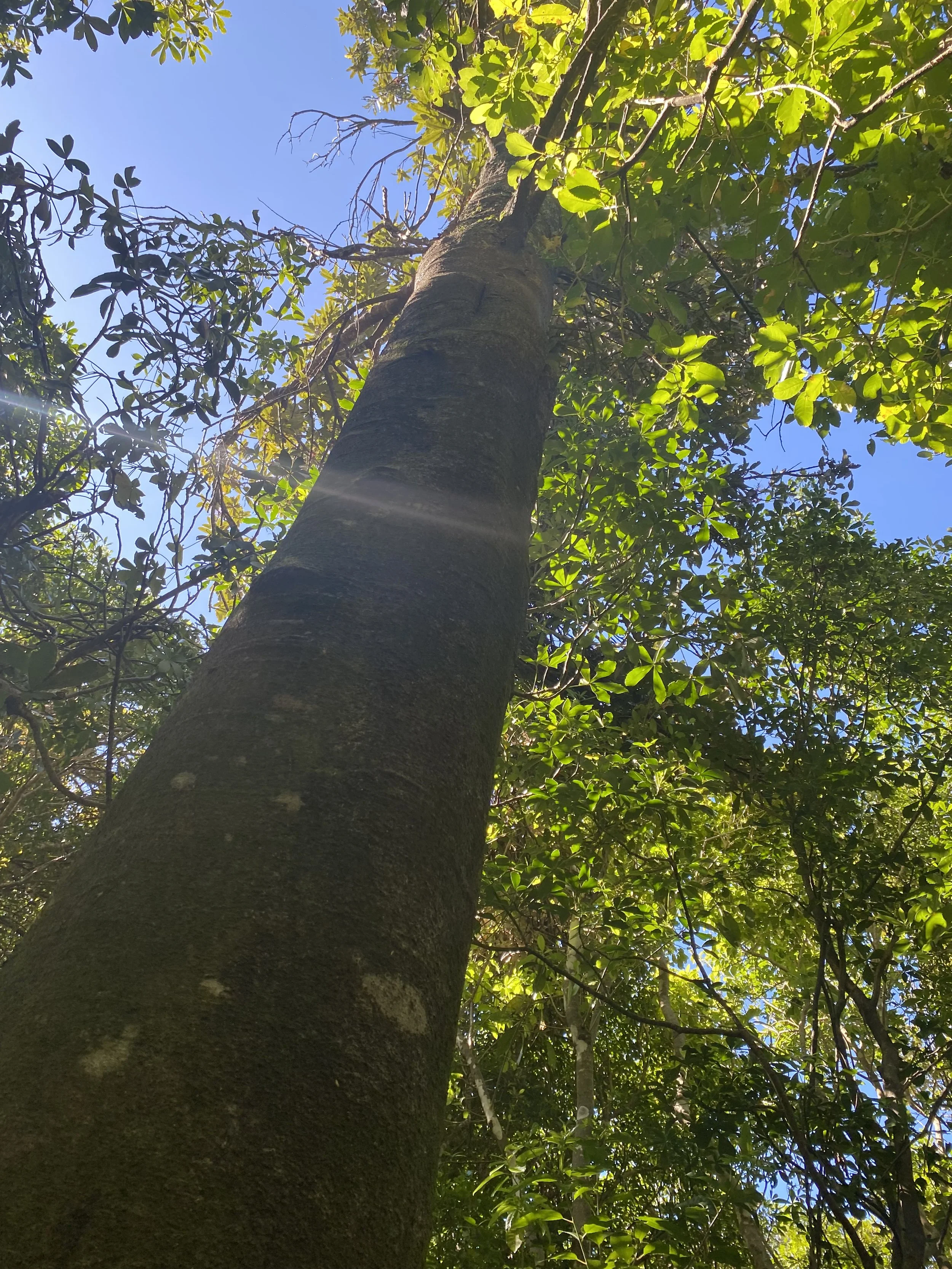
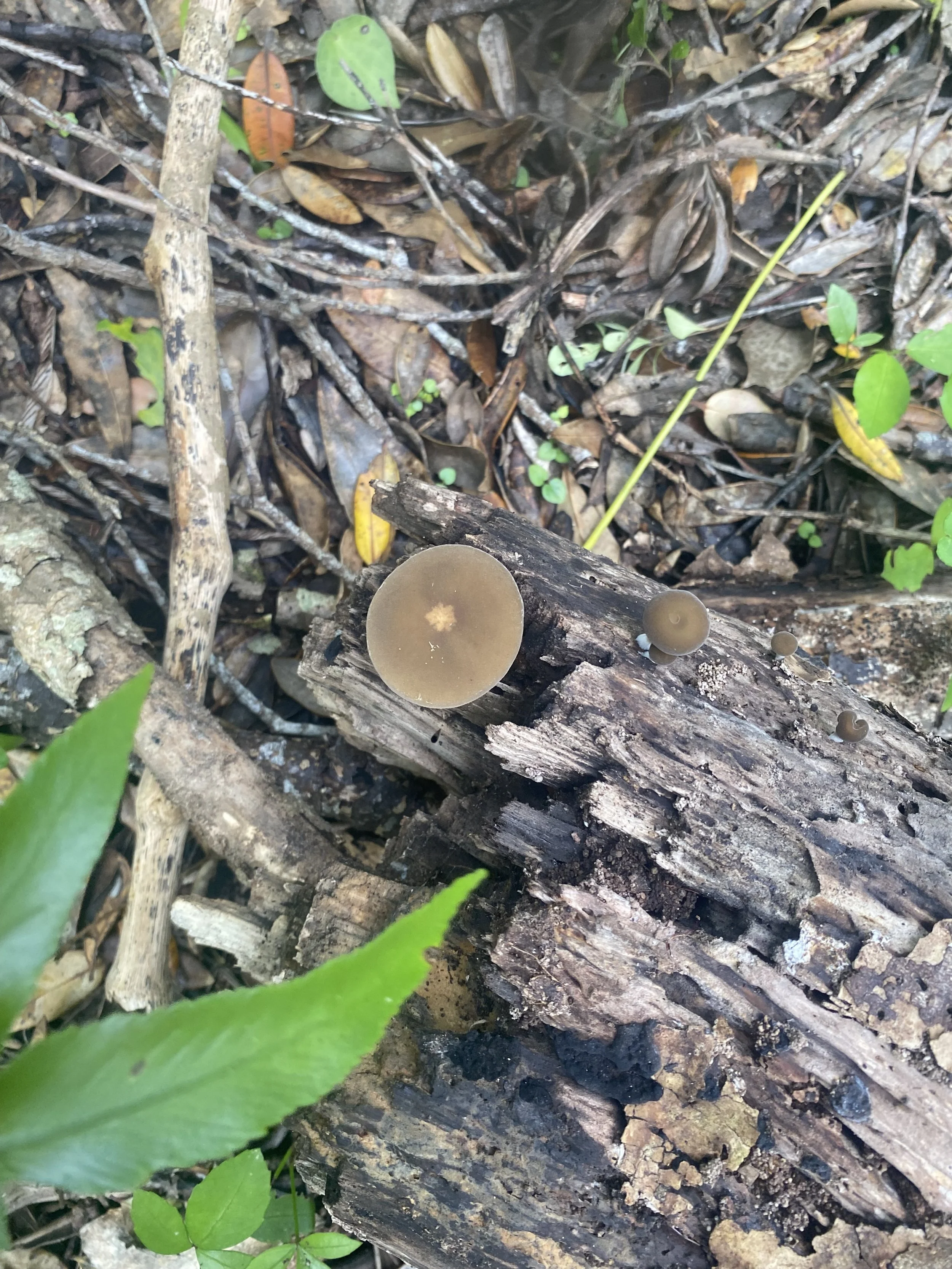
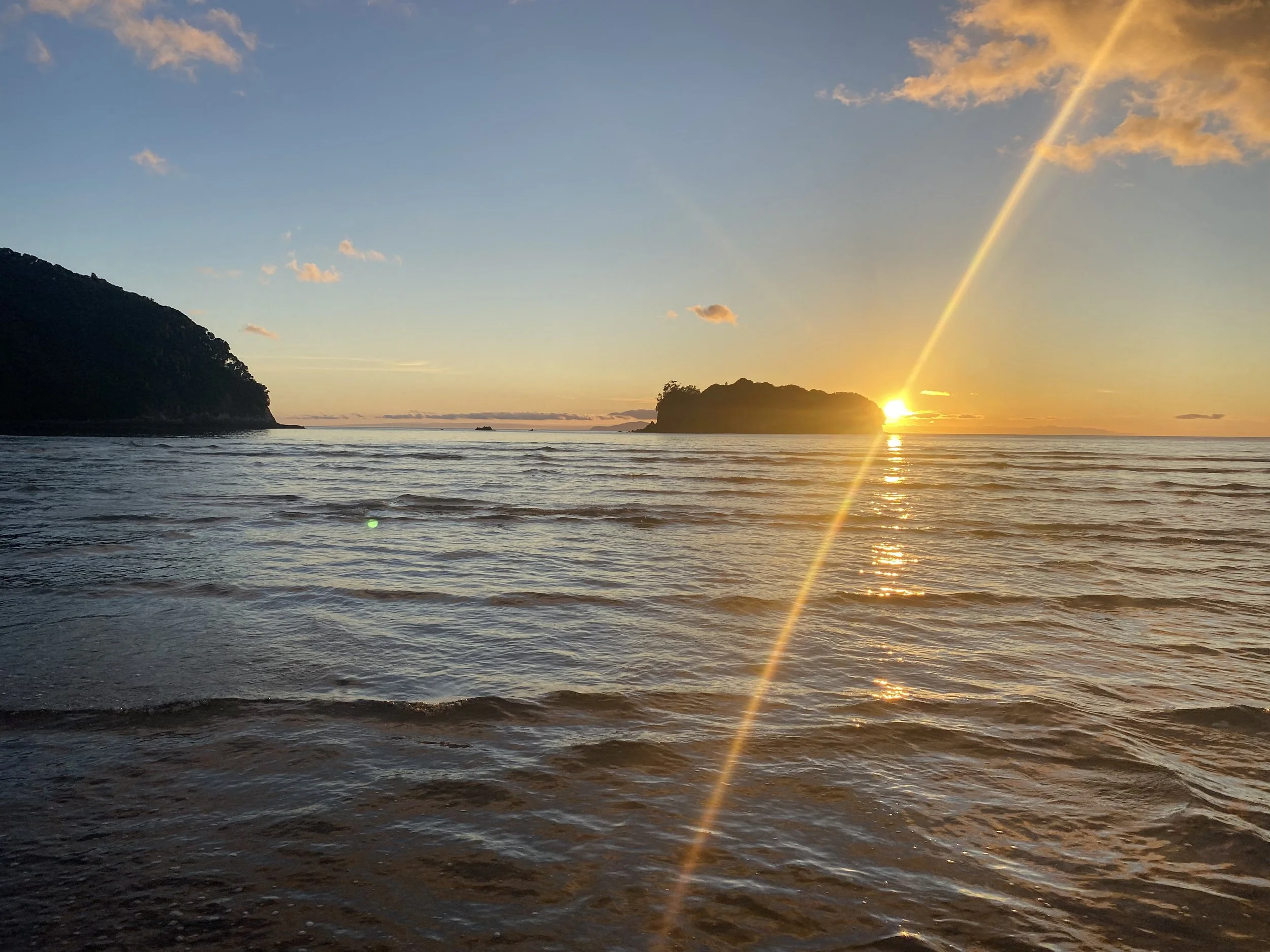
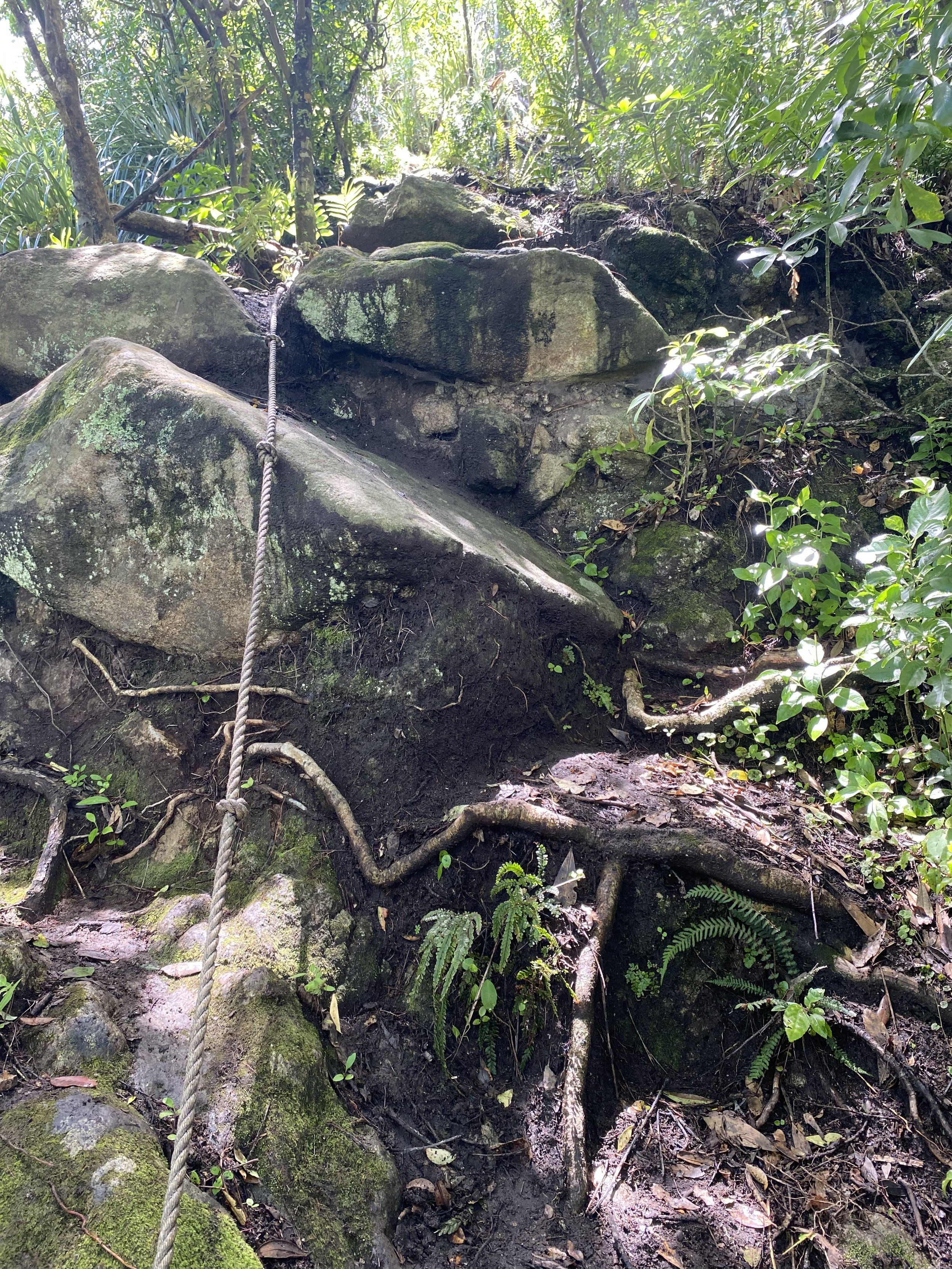
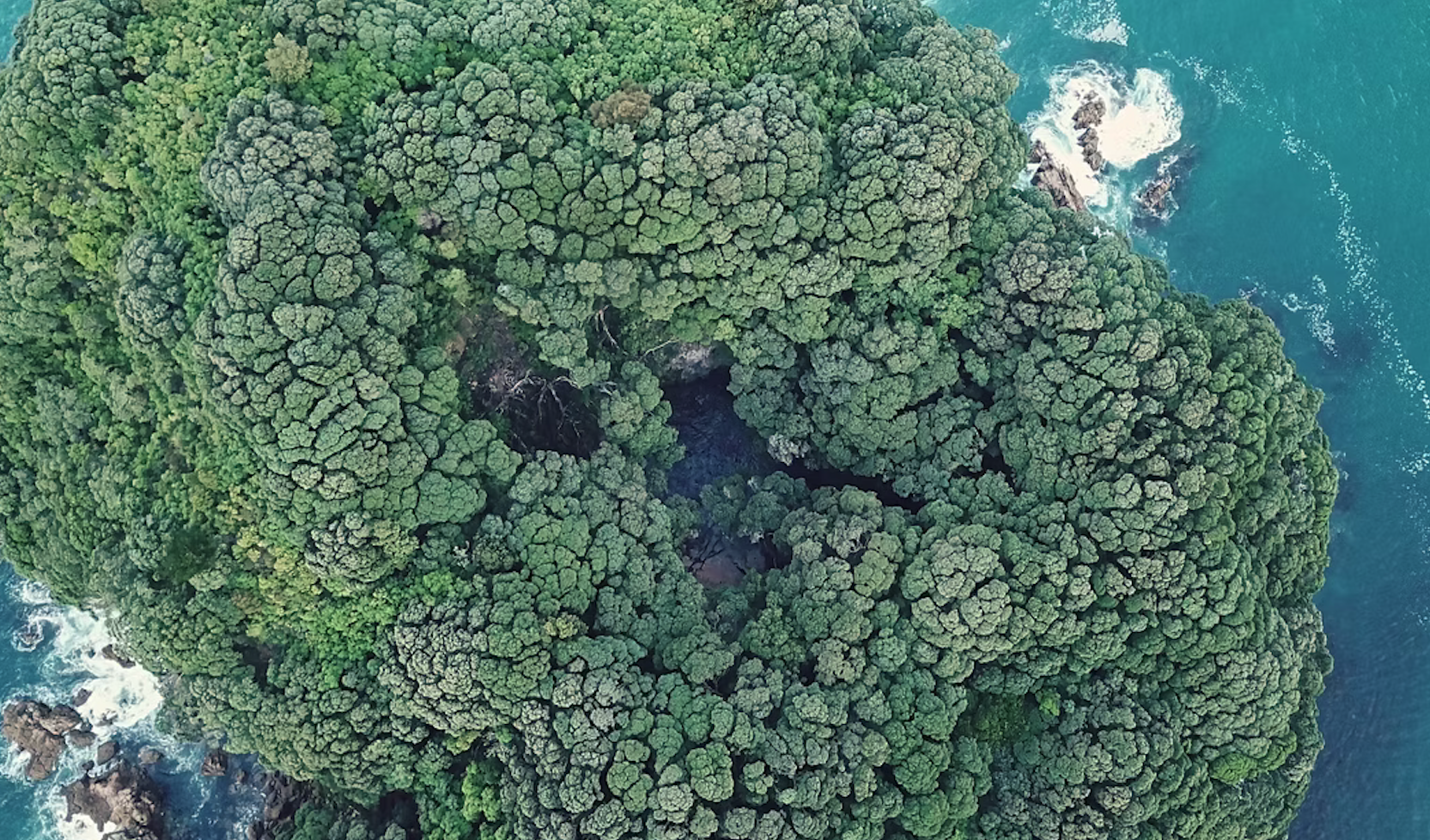
Hauturu (Clark Island) and Whenuakura (Donut Island) are part of a wider coastal ecosystem that connects the land, harbour, dunes, ocean and even ranginui - the sky!
Volcanic Origins
The Coromandel coastline, including Whangamatā, was formed by ancient volcanic activity millions of years ago. Both Hauturu and Whenuakura are remnants of this volcanic history.
Hauturu is a forested volcanic island rising steeply from the sea. Whenuakura is a rare volcanic ring structure that has naturally eroded into a stunning lagoon, hence the common reference to Donut Island.
These geological origins make the islands not only visually unique but also ideal refuges for native plants and wildlife.
Kaitiakitanga
Icons for the community, the islands are culturally significant to mana whenua whose connections go back generations. The islands are privately owned with Tunaiti Kaitiaki Roopu leading work to protect the ecology and cultural heritage for the next generation. Local Whangamatā tourism activities help keep visitors and the environment safe.
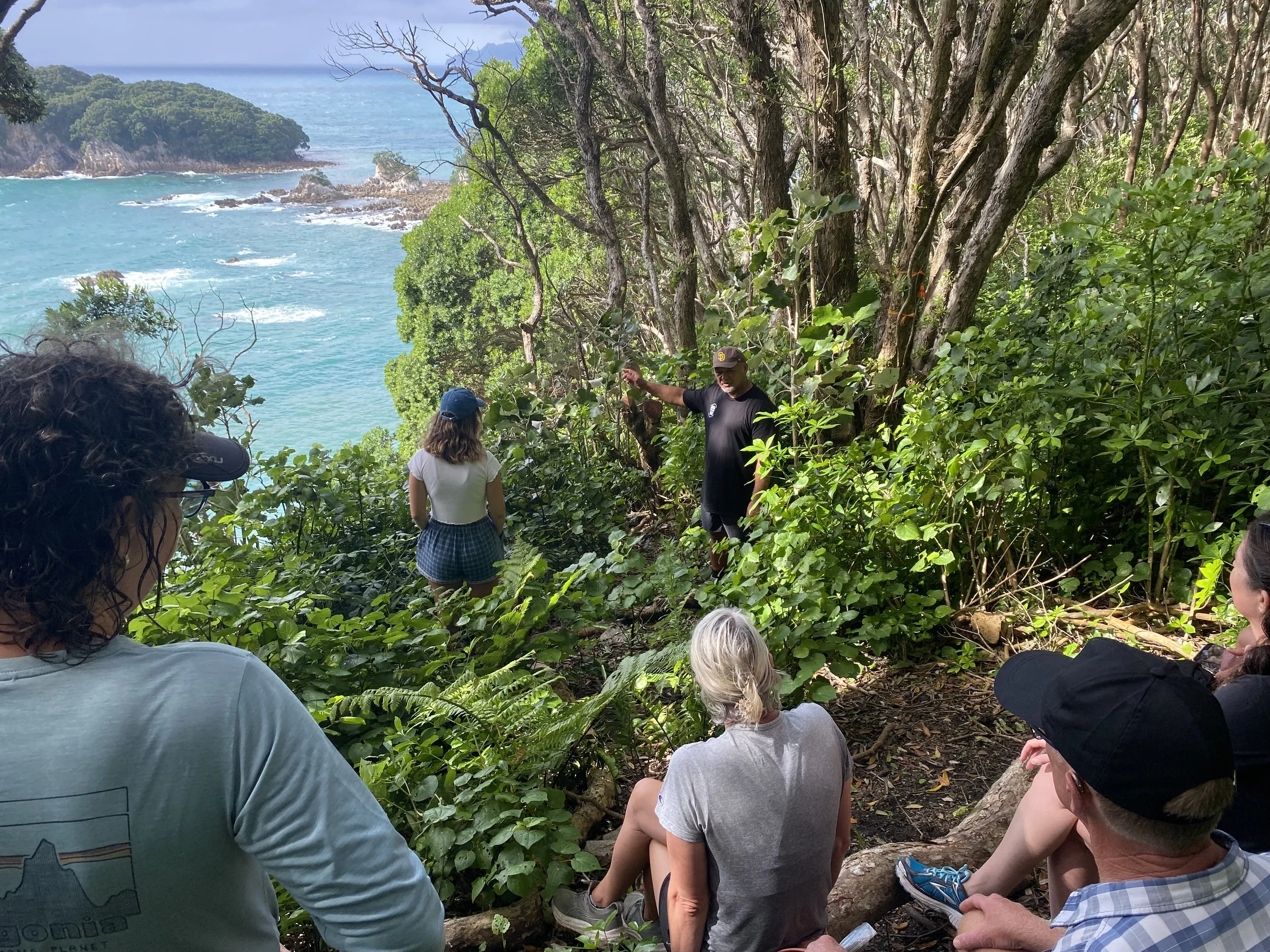
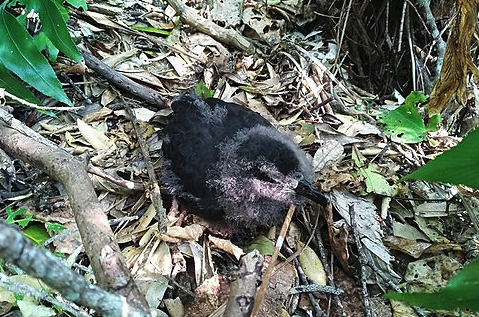
Hauturu (Clark Island) is home to a unique volcanic soil and seabirds that nest in burrows. Visitors into the forest canopy must be guided, so they can stay on the designated ecology tracks. The track keeps manuhiri (guests) away from tapu (sacred) sites, dangerous cliffs and aware of the burrows.
Whenuakura (Donut Island) is a protected wildlife sanctuary that does not allow landing. Public access is limited to the lagoon and visitors must stay in the water. Local protection of this island continues to grow and visitor safety is a priority, hence no access to boats inside the island. It is advised that manuhiri go with a guide for their safety as ocean conditions can change swiftly.
These islands represent rare and valuable habitats along the Coromandel coastline hence the valued support and protection from tourism operators, visitors and the Whangamatā community.
Tunaiti Kaitiaki Roopu are not only working to protect the Whangamatā Islands. Their work includes pest control, species recovery and monitoring, community education and cultural stewardship of te taiao, the natural world. Kaitiakitanga is more than conservation, it is a connection…
Supporting Conservation through Tourism
Every tour to the islands contribute to their protection, with a koha (donation) supporting the work of Tunaiti Kaitiaki Roopu, in addition to the education and monitoring.
Nature and conservation experiences are growing in popularity. Coromandel attractions such as Driving Creek, a forest railway experience, and Miranda Shorebird Centre, where visitors observe migratory shorebirds are local examples. Predator-free island experiences are an enjoyable way for people to engage with nature. Tiritiri Matangi and Kapiti Island are renowned New Zealand experiences, while Sanctuary Mountain Maungatautari is a large mainland example. Whangamatā Island Tours takes the experience a little deeper on a low tide crossing or paddle into the lagoon on the Pacific.
The Return of the Tuatara
This history, island geology and growing conservation all point to a long-term aspiration to see the return of the ancient reptile to Whangamatā Islands, the Tuatara. Restoring predator-free habitats creates the potential for their return.
However, achieving this goal requires a thriving ecosystem, ongoing predator management and overwhelming community support for conservation. Whangamatā Island Tours hope to help people connect with te taio, the natural world. The more we connect with nature, the more likely we are to care for it.